
Foresight LAB
research
AI
UK Innovation in Immersive XR Technologies for screen, performance and digital entertainment: UKRI funding trends and insights (2006–2024)
This report provides a benchmark for the state of play of UK Research and Innovation (UKRI) investment into XR technologies for screen, performance and digital entertainment at the close of 2024.
Posted: 28 May 2025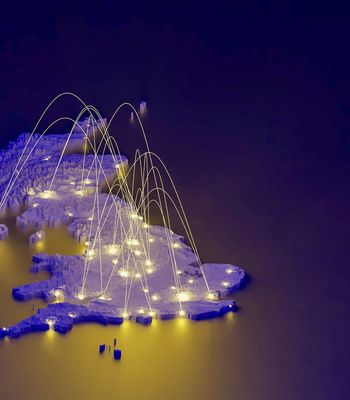
AuthorsSuzanne R. Black, Sabrina Carter, Graham Hitchen, Gavin Inglis, Brendan Miles, Melissa Terras, Frauke Zeller
"Between 2006 and 2024 the investment pattern of UKRI tells a story of how successive funding from UKRI – and from other funders – laid the foundations for creative R&D ecosystems, which UKRI can then choose to compound by investing into clusters in those areas. An example of which is the competitive process for funding for the CoSTAR Network Labs."
Key Findings
- UK Research and Innovation (UKRI) funded 529 projects involving immersive technologies for screen, performance and digital entertainment between 2006 (when their digital records began) and 2024.
- The 529 projects received £231,159,278. From the beginning of 2017, when the number of XR projects funded by UKRI increased, 473 projects received £208,786,270. Since 2017, XR projects have received approx. 0.33% of UKRI’s budget each year.
- The funding of extended reality (XR) projects for screen, performance and digital entertainment increased significantly from 2017 onwards.
- The top 11 locations for lead organisations of UKRI-funded activity were London, Bristol, York, Manchester, Birmingham, Brighton, Glasgow, Nottingham, Newcastle, Belfast, and Guildford.
- 860 organisations collaborated on the 529 projects (686 based in the UK, 119 outside of the UK, and 55 with locations unknown).
- Policy drivers concerned with the Creative Industries have played a significant role in the distribution of funding across the UK.
- The development of ecosystems is important in providing the necessary conditions for successful creative work.
- The most frequent lead organisations in UKRI-funded XR projects were Higher Education Institutions (HEIs). Most collaborating organisations were drawn from a mix of HEIs, media production and software companies, and cultural and heritage infrastructure.
- Networks of organisations were important, often led by HEIs but connected by anchor institutions like the BBC and BFI.
- Cross-sector collaboration is an important factor in the success of XR activity.